



 John Hou, CEO
BiCell Scientific is at the forefront of spearheading advancements in this field.
Our overarching goal is to make high-resolution precision antibodies, which offer a new hope for patients battling a wide array of diseases
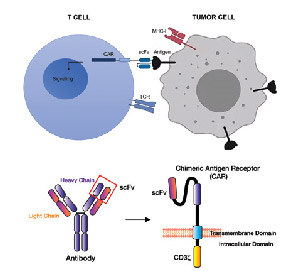
With BiCell Scientific’s innovative approach, the potential to target specific antigens with precision is becoming a reality—offering a path toward more effective and targeted treatments.
A frontrunner in antibody manufacturing and validation, BiCell Scientific’s proficiency delves deep into developing precision-guided monoclonal and polyclonal antibodies using short-peptide antigens, which contain limited potential binding sites. These antibodies have unrivaled binding specificity and precisely target chosen sites, bind uniquely, and exhibit stable and functional native conformation.
“Our overarching goal is to make high-resolution precision antibodies, which offer a new hope for patients battling a wide array of diseases,” says John Hou, CEO of BiCell Scientific.
Opening an Aperture in Precision Medicine
The company has set a goal to create an expansive repository of pre-validated antibodies that encompasses the entire human and mouse proteome in cells and tissues.
Today, manufacturers, pathologists, or research and clinical communities predominantly rely on well-established antibodies that have received clinical approval and have been in long-term use. This significantly limits the options, hindering the exploration of new precision antibodies for drug design.
BiCell Scientific aims to bridge this gap by conducting systematic validation of a vast number of antibodies, adhering to the rigorous standards set in the NIH Guidelines for the authentication of key biological resources. The validation procedure is equally comprehensive and facilitates the creation of a large-scale cloud database of proteins.
To benefit from research and future therapeutic development, BiCell Scientific has launched a new website, BiCell Blue, dedicated to hosting high-resolution panoramic annotation of validated human and rodent proteomes.
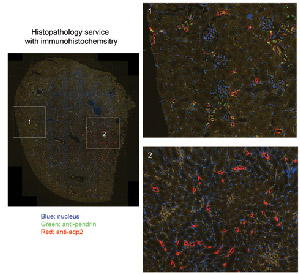
Using antibody-based labeling and imaging techniques, BiCell Blue maps every protein with subcellular resolution in freshly frozen tissues. It uses the modest slide scanning technology to enhance the accuracy and scope of stitching thousands of microscopic images to generate a panoramic view of the entire tissue section.
The resulting histologic images offer enhanced precision and provide valuable insights into the structure, function, and properties of true binding sites, key amino acids, and proteins. Numerous academic institutions, possessing empirical knowledge in animal and human pathology, benefit from BiCell Blue’s annotated proteome database. They can use any browser to zoom in and out to analyze the interactions between each protein and take a snapshot of the desired cellular region. This knowledge aids in the development of highly specific antibodies that can be produced on a large scale for widespread therapeutic use.
BiCell Blue also offers subscription-based custom image scanning and cloud services for customers to store and organize their pathohistological database.
BiCell Scientific sets the bar of excellence in resolving complex tumor heterogeneity. It makes a full chain of genetic modifications in human T-cells and engineers it into CAR T-cells to target a tumor antigen.
“The potential applications of our histologic database are vast, including correlating and exploring novel targets and employing AI and biotechnologies to reimagine antibody-based treatments through auditing the human and mouse proteome,” says Hou.
New Avenues for Precise and Effective Interventions
BiCell Scientific stands out by producing point-specific antibodies through mutation and phosphorylation. Leveraging the binding capacity of antibodies, it targets selective amino acid residues within the target antigen. By removing a small fragment from the targeted region of a patient and introducing specific genetic modifications like phosphorylation, it can design point-specific antibodies with enhanced therapeutic efficacy. This approach leads to improved treatment outcomes for various diseases, including cancer, autoimmune disorders, and neurodegenerative diseases.
An impressive example of harnessing the power of point-specific antibodies is BiCell Scientific’s collaboration with a NASDAQ listed company engaged in gene therapy. The client wanted to validate their gene therapy system in surrogate animal models to predict patient responses to different gene therapy interventions. BiCell Scientific introduced point-specific mutations in a single stretch of amino acids in animal proteins, enabling more targeted and effective gene therapy with a personalized medicine approach.
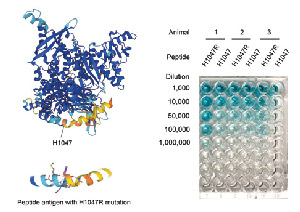
With advancements in gene therapy and antibody technologies, BiCell Scientific’s use of clustered, regularly interspaced short palindromic repeats (CRISPR) allows for the genetic engineering of precision antibodies with desired properties, aligning with the era of personalized medicine.
BiCell Scientific also presents a promising avenue for research and therapy in Alzheimer’s disease. Its precision antibodies can be designed to directly target and capture small changes occurring in beta-amyloid plaques in the brain. Injecting these antibodies into a patient’s blood serum activates the immune response and reduces beta-amyloid production, slowing disease progression.
Another valuable technique is the use of depletion antibodies in Alzheimer’s disease treatment. Through rigorous validation and testing, these antibodies are specifically designed to target the chosen antigen and deplete specific cell populations from biological samples, aiding in disease control.
This focus on precision antibodies and their application in various therapeutic areas demonstrates BiCell Scientific’s commitment to advancing personalized medicine and revolutionizing the field of biotechnology.
Engineering CAR T-Cells for Cancer Immunotherapy
As the quest for more effective cancer treatments continues, BiCell Scientific is pioneering the development of customized chimeric antigen receptor (CAR) T-cells. These cells can be likened to ‘biological missiles,’ designed for targeted cancer immunotherapy.
-
The potential applications of our histologic database are vast, including correlating and exploring novel targets and employing AI and biotechnologies to reimagine antibody-based treatments through auditing the human and mouse proteome
Apart from generating and validating CAR T-cells, BiCell Scientific offers an in-depth service that includes the production of highly specific monoclonal antibodies using three key animal models—mice, rats, and rabbits. The process begins with immunizing an animal, such as a rabbit, with the desired antigen. Rabbits, known for their ability to closely mimic human antibodies, are particularly valuable in this context, enabling the humanization of antibodies and precise targeting of proteins on tumor cells.
Antibody maturation is another distinctive area where BiCell Scientific excels. Many pharmaceuticals and clinics seek to enhance the binding affinity of their antibodies in response to antigen exposure. To achieve this, it employs a versatile hybridoma B-cell line system that indigenously helps create stabilized antibodies in animals. It collects desired antibody sequences and expands and cultures them to produce large quantities of precise monoclonal antibodies.
Clients can cost-effectively manufacture various antibody conjugates, including bi-specific antibodies. Stepping away from the traditional methods of fusing two antibodies in a cell—that often result in rejection or reduced stability—BiCell Scientific uses a serum-free hybridoma culture medium and employs an extensive antibody maturation process. This ensures the generation of stable bi-specific antibodies designed for effective tumor treatments.
Apart from these core services, BiCell Scientific provides supplementary services, including lentivirus packaging, transduction of mouse T-cells, cloning services, and in vitro testing of CAR T-cells.
Transforming the Landscape of Breast Cancer Treatment
In the case of breast cancer, specifically human epidermal growth factor receptor 2 (HER2)-positive breast cancer, BiCell Scientific employs an absolute mapping technique to identify the presence and extent of HER2 amplification. Unlike conventional cloning methods that focus on EGFR receptors and extracellular domain amino acids, it aims to provide a comprehensive understanding of the HER2 cancer genome’s genetic profile. This knowledge is crucial for guiding the selection of suitable treatments for HER2-positive breast cancer.
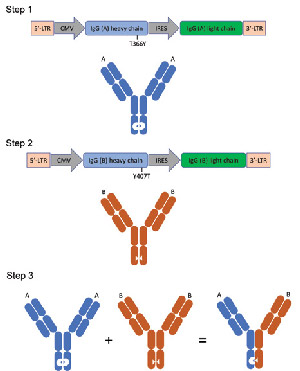
The value BiCell Scientific brings to HER2-positive breast cancer treatment is immense. With its absolute mapping technique, the company is transforming the landscape of breast cancer treatment and offering new hope to patients and healthcare providers.
Balancing Quality and Cost in Antibody Manufacturing
BiCell Scientific’s focus lies in integrating its high-quality antibody manufacturing services with an emphasis on cost-effectiveness.
A testament to this is a pharmaceutical company that previously produced numerous antibody drugs in-house for chronic patient treatment. However, over time, the quality of the antibodies declined, and manufacturing costs became increasingly expensive. BiCell Scientific stepped in and evaluated the client’s original B-cell system, thoroughly examining the sequence and binding sites. As a result, product stability was rediscovered, providing significant benefits to the pharmaceutical company. They could potentially reduce costs and streamline their manufacturing process.
BiCell Scientific’s winning streak is made possible by its dedicated team of biological researchers well-versed in the development and application of precision antibodies. They continuously push the boundaries of scientific knowledge to evaluate the signaling and working conditions of antibodies, ensuring their effectiveness across various applications.
Emerging Antibody Derivatives for Unconventional Applications
BiCell Scientific harnesses the unique properties of antibodies, including their specificity, potency, and versatility, to target and recognize small sites and molecules, even within the sub-kilodalton range. This remarkable feature holds significant value for industries beyond traditional treatments, particularly within the plant sector. By leveraging antibodies, it enables the detection of previously overlooked toxins in the soil. Rather than relying on complex mass spectrometry techniques involving the separation of multiple samples, BiCell Scientific offers convenient large-scale antibody-based approaches that generate the desired immune response and allow for the real-time identification of multiple soil contaminants.
The exceptional capabilities of small binding sites and the dynamic chemical nature of antibodies have the potential to drive various industries to enhance their detection capacities and diversify their product lines. In the realm of biofuel production, for instance, these advanced antibody technologies can contribute to the development of more efficient and sustainable methods. This transformative approach can reduce the industry’s environmental impact, facilitating the transition to a greener energy future.
Honing in on its expertise in antibody manufacturing, BiCell Scientific stands as an unrivaled figurehead for academic pathology, histology, pharmaceutical, and clinical institutions. They can look no further than BiCell Scientific as a trusted and indispensable resource of high-resolution antibodies, backed by comprehensive validation data, to purchase cutting-edge tools for their research and diagnostic endeavors.
Choosing Clinical Research Partners for Antibody-Led Biotechnology
Biotechnology leaders do not engage clinical research support services simply to complete study plans. They need partners capable of reducing scientific uncertainty before significant capital, patient access opportunities, and regulatory effort are committed to the wrong development path. In antibody-driven research, that pressure is especially pronounced. A program may appear highly promising during discovery, only to lose momentum later because binding affinity proves insufficient, the molecule lacks compatibility for human use, or the underlying biology fails to translate into a viable therapeutic strategy.
The strongest clinical research support partners bring scientific discipline into the process early. They help teams determine whether an antibody candidate has the binding strength, specificity, and adaptability necessary to justify further investment. Weak affinity is not a minor technical limitation. It can directly influence dosing assumptions, safety considerations, downstream engineering complexity, and ultimately the credibility of later-stage clinical design. For executives, the key question is not simply whether a study can be conducted. It is whether the research asset entering that study has been sufficiently characterized and improved to justify the expense and risk of moving forward.
Human relevance has also become increasingly important in biotechnology decision-making. While animal-derived antibodies continue to have research applications, clinical programs increasingly prioritize approaches that reduce immunogenicity concerns and align discovery more closely with human biology. Services built around human antibody libraries, patient-derived antibody discovery, and synthetic human antibody frameworks offer research organizations broader access to clinically relevant candidates without relying exclusively on animal-origin starting points. This is particularly valuable in immunology, oncology, infectious disease, and other complex therapeutic areas where subtle differences in binding behavior can significantly affect downstream development outcomes.
Screening depth represents another practical indicator of service quality. Biotechnology buyers should prioritize partners capable of moving beyond one-step discovery workflows to support iterative selection, affinity maturation, and validation. Techniques that apply increasing selection pressure, compare binders across multiple frameworks, or evaluate alternative modalities such as nanobodies can uncover opportunities that more conventional antibody programs may overlook. Nanobodies are especially relevant when programs require smaller binding domains, improved tissue penetration, access to challenging epitopes, or complementary pairing strategies with existing therapeutics. The objective is not innovation for its own sake, but the creation of a broader and more reliable evidence base for decisions carrying major scientific and financial implications.
A strong research partner also understands the distinction between research utility and clinical promise. It should help clients generate and refine candidates, improve binding characteristics, and identify which molecules merit deeper investigation, while avoiding claims that exceed the available evidence. Biotechnology executives benefit most from providers that combine practical laboratory execution with a clear understanding of how discovery-stage choices influence future study design, therapeutic positioning, manufacturability, and development risk.
Within this landscape, BiCell Scientific stands out for organizations seeking clinical research support centered on antibody discovery, affinity maturation, and candidate refinement. The company’s capabilities include custom antibody affinity optimization, de novo human antibody discovery, patient-derived antibody library development, and nanobody discovery using yeast display-based screening systems. Its approach is particularly well suited for research teams seeking to improve existing antibodies, evaluate human-compatible candidates, or explore alternative binder formats before committing to expensive downstream studies. This breadth gives biotechnology executives the ability to compare multiple therapeutic pathways while keeping discovery work aligned with practical development questions and candidate readiness. For organizations prioritizing stronger preclinical evidence and more disciplined candidate selection, BiCell Scientific represents a compelling choice.
...Read more
